
In this post, we will explore comparisons between medical-grade and consumer-grade wearables. Medical-grade wearables are devices such as glucose monitors (Eastwood, 2024), and an example of a consumer-grade device would be a fitness tracker. Most of the information in this post comes from a Forbes article written by Jiang Li, the founder and CEO of Vivalink, Inc, which, for the record, develops medical wearables. As such, it is important to bear in mind that Li is very biased toward medical-grade devices, so we must think critically when reviewing the information his article provides.
Li (2024) refers to consumer-grade devices as “The Bring Your Own Device (BYOD” trend…” (para. 2). While Li admits that these devices do have benefits, he advocates for the use of medical-grade devices. One point Li (2024) makes is that medical-grade wearables are thoroughly tested and certified “…to ensure accuracy, reliability and regulatory compliance.” (para. 5). Also, while anyone can just buy a consumer-grade medical device and try to monitor their health on their own, with medical-grade devices there is often supervision by a doctor.
BYOD makes it hard for hospitals, and Li (2024) breaks down the differences between medical-grade and consumer-grade devices into four categories: Accuracy and Reliability, Data Security, Regulatory Compliance, and Interoperability and Integration. Regarding accuracy and reliability, as previously stated, medical-grade devices go through testing and certification, while consumer-grade devices are not necessarily held to the same standards, so they might not work as well. When it comes to data security, consumer-grade devices may not be as protected, putting the personal information that people enter into these devices at risk. For Regulatory compliance, Li (2024) states that “Medical wearables are subject to regulatory requirements that ensure their safety and effectiveness for medical use. For example, in the United States, medical devices undergo review by the Food and Drug Administration (FDA) before being approved for patient use.” (para 12). In addition, these devices must pass clinical validation, so that it can be certain that they do what they’re supposed to do. However, consumer-grade devices once again may not be subject to such rigor, meaning that that may not be suitable for tracking one’s health. Finally, regarding interoperability and integration, Li (2024) states that “Wearables are often designed to integrate with healthcare systems and electronic health records (EHR) platforms, allowing for efficient data exchange and interoperability.” (para. 13). In this context, Li is clearly talking about medical-grade wearables, as he then compares such devices to consumer-grade devices, saying that they may not integrate as well.
It is important to note that this is a very biased article. While Li (2024) vaguely describes consumer-grade devices as beneficial, he overwhelmingly promotes medical-grade devices. As such, by using critical thinking, this should not deter readers from buying consumer-grade devices. In a future post, we will review the benefits and risks/problems of wearable devices for health, in a more balanced way. However, readers should be open to the idea of using medical-grade devices, especially if their doctor recommends it.
References
Eastwood, B. (2024, March 29). The latest trends in wearable technology for healthcare. https://healthtechmagazine.net/article/2024/03/trends-wearable-technology-for-healthcare-perfcon
Li, J. (2024, May 1). Wearable tech and BYOD: Benefits and risks in healthcare technology. https://www.forbes.com/councils/forbestechcouncil/2024/05/01/wearable-tech-and-byod-benefits-and-risks-in-healthcare-technology/
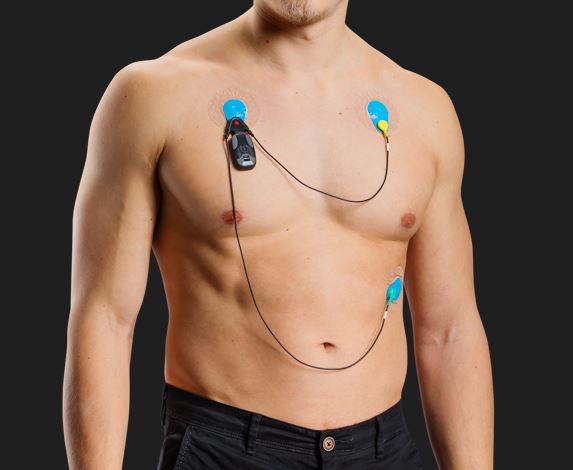
Photo credit – No author listed. (2024). Electrode Holter Monitor [Photograph]. Advara Heart Care. https://advaraheartcare.com/wp-content/uploads/2024/01/3_Electrode_Holter_Monitor.jpg
 Health Tech to Know
Leave a comment